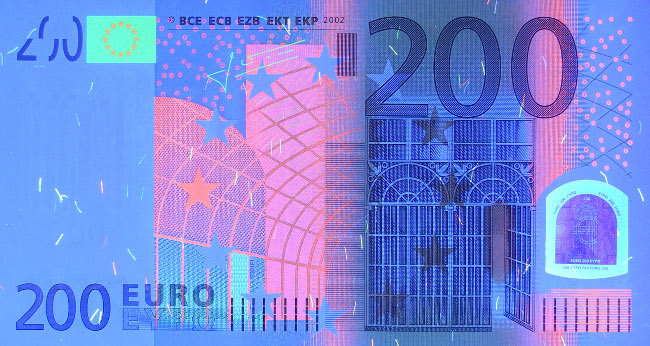
20 Best Tweets Of All Time Concerning Counterfeit Money Online
Counterfeit Money Online: Understanding the Risks and Implications
In today's digital age, the online market has ended up being a busy center for purchasing and selling items and services. While it supplies benefit and ease of access, the increase of e-commerce has likewise paved the way to a disconcerting trend— counterfeit money. Counterfeit currency can flow in different kinds online, posturing significant threats to consumers, organizations, and the economy as a whole. This post checks out the complexities of counterfeit money online, clarifying how it runs, the dangers related to it, and the steps to combat this unlawful phenomenon.
The Mechanics of Counterfeit Money Online
Counterfeit money, defined as currency produced without legal sanction, can be discovered prowling in the dim corners of the internet. There are a number of platforms where counterfeit operators can grow, consisting of:
Dark Web Markets: These concealed parts of the web often act as markets for illegal goods and services, consisting of counterfeit currency. Purchasers can buy fake costs using cryptocurrency, offering a layer of privacy.
Social Network and Online Forums: There are instances where counterfeit money is traded in plain sight on social media platforms and forums. Fraudsters may utilize these channels to promote fake money for sale, falsely representing its credibility.
Peer-to-Peer Selling Platforms: Websites developed for peer-to-peer transactions can unknowingly become havens for counterfeit deals. Deceitful sellers can note counterfeit bills along with genuine items, tricking buyers.
How Counterfeit Money is Manufactured
The counterfeiting process has evolved due to technological improvements. In the past, counterfeiters depend on conventional printing methods. Today, digital printers, high-quality paper, and sophisticated design software have made it easier for individuals to produce persuading replicas of real currency. Some counterfeiters use:
- High-Resolution Scanners: To record the elaborate information of real currency.
- Advanced Printing Techniques: Such as offset printing and inkjet printers efficient in producing high-quality prints.
- Proficiency in Security Features: Counterfeiters may study and reproduce the security features utilized in genuine costs, such as watermarks, holograms, and microprinting.
The Risks of Counterfeit Money
The ramifications of counterfeit money reach far beyond private loss. When on the main page , it weakens the financial system and the economy at big. Some of the essential risks consist of:
Financial Loss: Businesses accepting counterfeit currency may face considerable losses, particularly small businesses that run with tight margins. When unintentionally accepting deceitful expenses, they may be obliged to take in the loss, impacting their viability.
Criminal Charges: Being in belongings of counterfeit money, even without understanding of its authenticity, can result in major legal repercussions. Individuals can face charges varying from fines to jail time.
Disintegration of Trust: Widespread counterfeiting can weaken public confidence in the currency system. If customers lose faith in the integrity of physical money, they may shift towards cashless transactions, impacting standard retail and financial structures.
Greater Prices: Businesses might raise rates to make up for the losses sustained due to counterfeit deals, causing inflationary pressures on customers.
Combating Counterfeit Money
To combat the expansion of counterfeit money online, numerous stakeholders require to take proactive measures. The following techniques can assist reduce the threats connected with counterfeit currency:
For Consumers:
Exercise Caution: Always validate the source of the currency. Avoid buying large amounts of cash from unidentified or unproven sellers.
Inform Yourself: Familiarize yourself with the functions of genuine currency. This consists of understanding the security elements present in the bills you may encounter.
Report Suspicious Activity: If you believe you have encountered counterfeit money, report it to regional law enforcement or the appropriate authorities right away.
For Businesses:
Implement Training Programs: Educate employees on determining counterfeit notes and the consequences of accepting them.
Purchase Detection Tools: Utilize counterfeit detection devices or apps that can help workers confirm the credibility of currency.
Conduct Background Checks: When handling big transactions or new clients, carrying out background checks and looking for payment through electronic ways can lower risk.
For Law Enforcement and Governments:
Enhance Online Surveillance: Law enforcement agencies should increase surveillance of online platforms to identify and shut down counterfeit operations.
Public Awareness Campaigns: Governments can run projects to inform the general public on how to acknowledge counterfeit money, including how to report it.
Cooperation with Tech Firms: Partnering with innovation companies to develop advanced tracking and detection methods can suppress the rise of counterfeiting.
Frequently Asked Questions About Counterfeit Money Online
Q1: Is it illegal to possess counterfeit money?
Yes, having counterfeit money, even without understanding of its authenticity, is considered illegal and can lead to severe criminal charges.
Q2: How can I recognize counterfeit currency?
Search for security functions such as watermarks, color-shifting inks, and microprinting. Specialized counterfeit detection tools and apps can likewise be helpful.
Q3: What should I do if I get counterfeit money?
If you accidentally accept counterfeit money, do not attempt to invest it further. Contact regional police or the suitable authorities to report the incident.
Q4: Can organizations protect themselves from counterfeit money?
Yes, companies can safeguard themselves by training workers, using counterfeit detection gadgets, and being alert with transactions.
Q5: What resources are readily available for reporting counterfeit currency?
Individuals can report counterfeit money to local law enforcement, the U.S. Secret Service, and other relevant federal agencies in their nation.
As counterfeit money continues to penetrate online spaces, it is necessary for customers, businesses, and governments to work collaboratively to resolve this pushing problem. Through education, vigilance, and the application of suitable steps, people can safeguard themselves and add to a more secure financial environment. In a world that significantly relies on digital deals, staying notified and proactive is the very best defense against the risk of counterfeit currency.